Tech Insights
SYSTEM // PUBLISHED: 018 // FRONTIER AGENTIC COMPUTING READOUTS
Modern Web Architecture: SEO, Edge Redirects, and AI-Friendly Design Guide
A comprehensive guide to modern web architecture in the AI era. Covers URL normalization, edge redirects, AI slug-locking, and Cloudflare optimization. Learn to build resilient systems for both humans and AI agents using best practices and llms.txt standards.
Read Full Article →
Claude Code Dynamic Workflows: A Deep Dive and Best Practices
A comprehensive guide to Claude Code's Dynamic Workflow, covering trigger mechanisms, terminal configuration, permission allowlists, cost management, and the high-performance Ultracode mode.
Claude Code Dynamic Workflow Guide: Multi-Agent Orchestration with JavaScript
A comprehensive guide to Claude Code Dynamic Workflow (v2.1.154+). Learn to orchestrate multiple AI agents using JavaScript for parallel and pipeline tasks. Includes API explanations and a practical multi-stage math problem pipeline example.
Claude Opus 4.8 Released: Dynamic Workflows and Honest AI Explained
Anthropic unexpectedly released Claude Opus 4.8 just 41 days after 4.7. This deep dive explains the new Fast Mode, the game-changing Dynamic Workflows for massive refactoring, and its much-improved honesty in coding tasks.
In-depth Experience with Antigravity CLI: An Agent-First Tool and Its Future
A comprehensive one-week review of Antigravity CLI, exploring its core strengths in Agent-First design and Gemini 3.5 performance, while identifying key areas for improvement such as clipboard image support and interaction flow.
Deep Dive into Sandbox Tech: From Local Isolation to Cloud Hosting with Google Antigravity
This article analyzes the underlying mechanisms and security features of raw host, local, and cloud sandbox modes. It features a Google Antigravity guide on using Python scripts for environment probing and Telegram Bot integration within isolated serverless containers.
Complete Guide to ccstatusline: Mastering Claude Code Status Bars
A progressive tutorial for Claude Code users on ccstatusline, covering installation, TUI configuration, technical principles, Powerline styling, and external data integration for status bar mastery.
Google Antigravity CLI Review and Troubleshooting Guide: The Gemini CLI Successor
Google is replacing Gemini CLI with the new Go-based Antigravity CLI. This article provides a hands-on review, migration guide, and troubleshooting tips for network and login issues, helping you master this new multi-agent AI coding tool.
Google's own claw Gemini Spark:A Deep Dive into Google Gemini Spark and 24/7 AI Agents
AI has finally evolved from chatting to working. This article breaks down Google's Gemini Spark, an always-on AI agent running on cloud VMs. Learn its core architecture, the MCP protocol, and practical tips for building your automated workflows.
Google I/O Antigravity 2.0: The Paradigm Shift from IDE to Agent-First Platform & Developer Gotchas
Antigravity 2.0 abandons the traditional IDE architecture for an Agent-First platform. Explore dynamic subagents, the new CLI, pricing, and critical developer pain points.
Google Antigravity 2.0 Explained: Ditching the IDE to Manage an AI Coding Team
A deep dive into Google Antigravity 2.0 announced at I/O 2026. It's no longer an IDE plugin, but a standalone Agent workstation. This article explains multi-agent parallelism, Gemini 3.5 Flash performance, and Vibe Coding in plain English.
Google I/O 2026: The Transition from Chatbots to Autonomous AI Agents
Google I/O 2026 signals a paradigm shift: AI is evolving from chatbots into autonomous agents. This article deep dives into Gemini 3.5, Spark, and the revamped Search, explaining how Google is transforming the internet from an information retrieval tool into an action-oriented execution layer.
Gemini 3.5 Deep Dive: Beyond Chatbots to the Era of AI Agents
Google I/O 2026 signals a shift from chatbots to 'AI employees'. This article dives into Gemini 3.5 Flash, covering deep reasoning, computer use, and API changes, explaining how AI is evolving from a search engine into an operating system.
Ultimate Guide to Claude Computer Use: Let AI Take Over Your Desktop
A deep dive into Anthropic's Computer Use feature. We cover technical principles (visual-driven vs. code-driven), practical applications (E2E testing, cross-app automation), and essential tips for developers to avoid common pitfalls.
OpenWolf: The Second Brain for Claude Code to Slash Token Costs by 80%
Claude Code 虽好,但“金鱼脑”导致的重复读文件会让 Token 账单瞬间爆炸。本文深度拆解开源中间件 OpenWolf,教你如何通过 6 个 Hook 脚本给 AI 装上持久化记忆,实测最高节省 80% Token,让你的 AI 编程既聪明又省钱。
Claude Design Deep Dive: From Natural Language to Interactive Prototypes
Anthropic's Claude Design is a game-changer. It generates structured code instead of pixels. This guide covers its core logic, workflow, and the open-source alternative Open Design, helping you transition from ideas to production-ready code seamlessly.
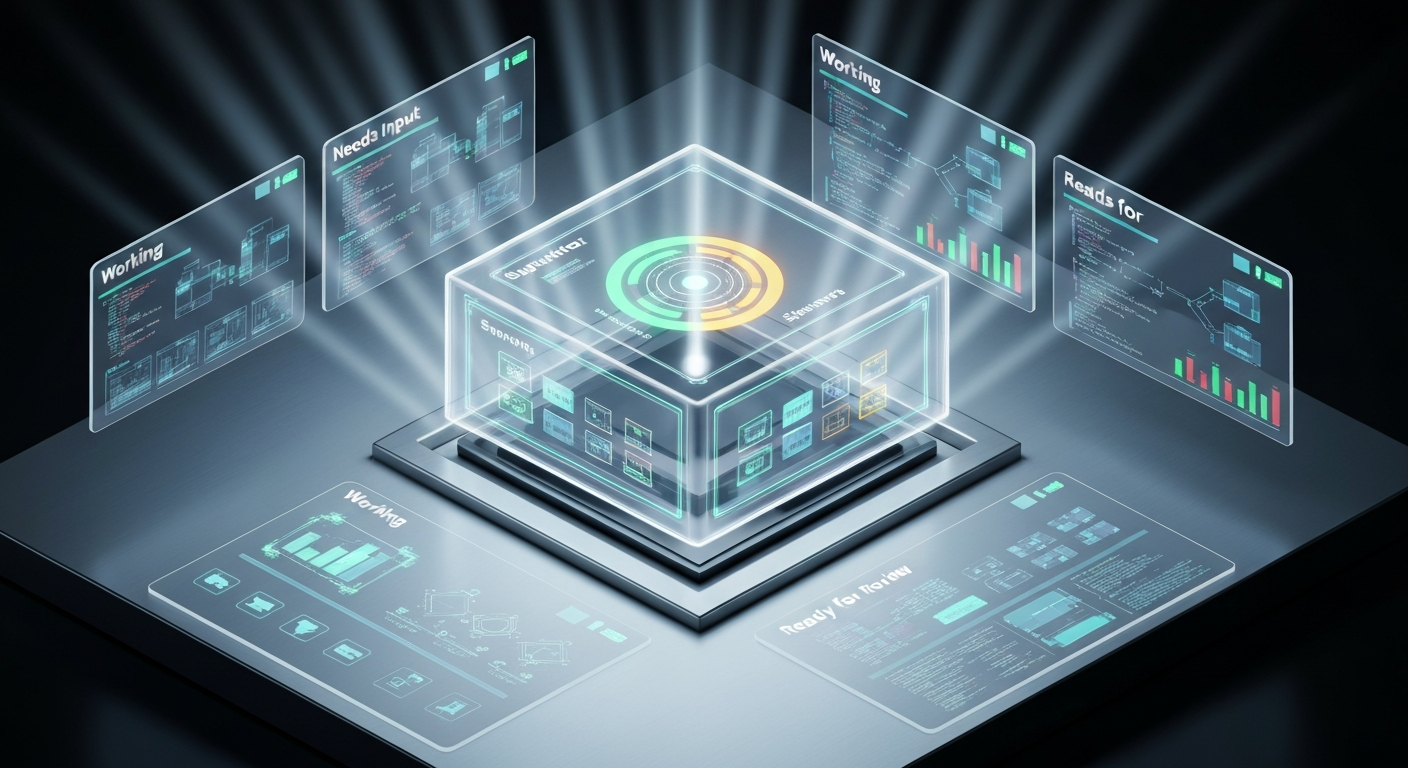
The Era of Orchestrator: Deep Dive into Claude Code Agent View Architecture and Efficiency
This article dissects the core mechanisms of Claude Code Agent View, exploring how it upgrades AI programming from single-threaded dialogue to multi-task concurrent scheduling through TUI orchestration, Git Worktree isolation, and persistent Supervisor processes.
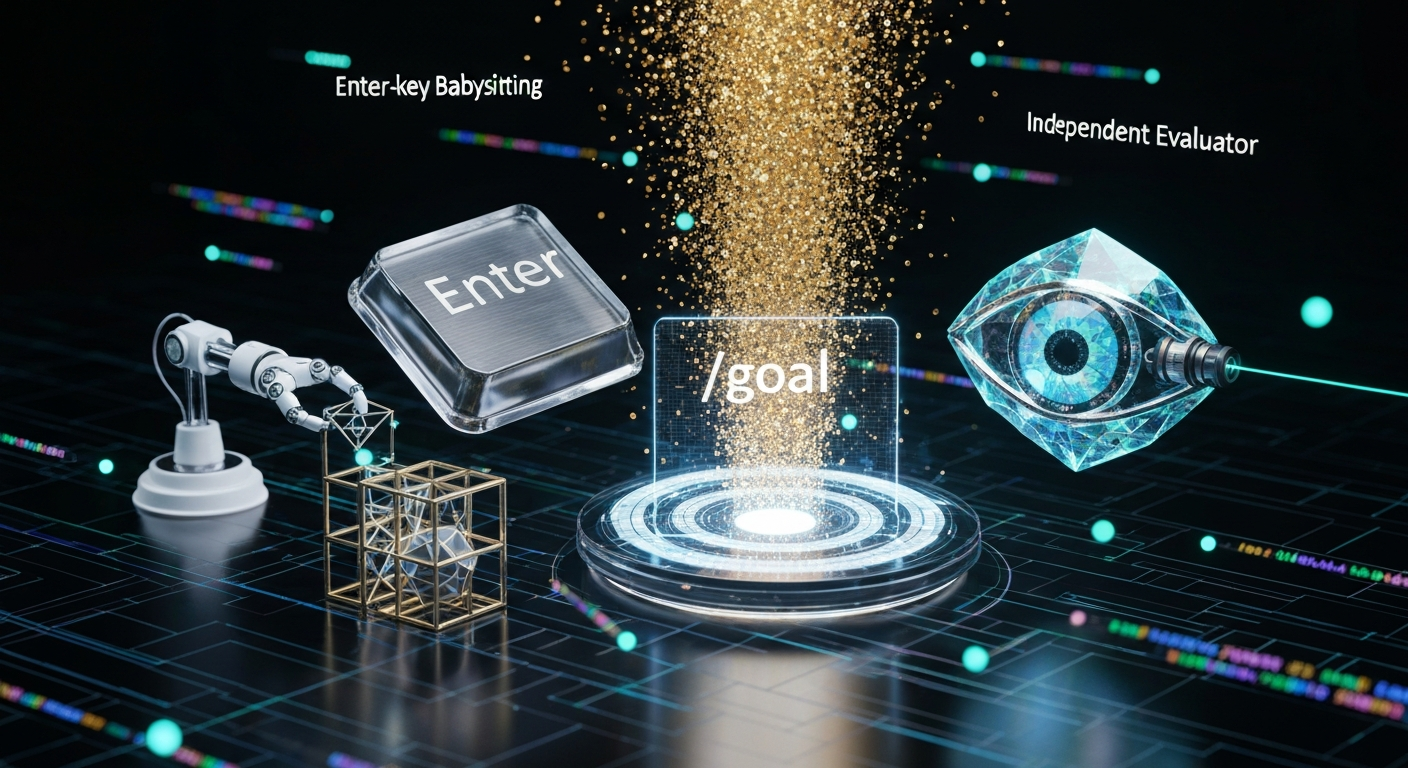
From 'Enter-Key Babysitter' to Goal-Driven Architecture: A Deep Dive into Claude Code and Codex /goal Evolution
This article explores the paradigm shift of AI coding agents from 'instruction-response' to 'goal-driven' execution. By comparing Claude Code's Judge Mode and Codex's Self-audit Mode, it reveals the logic behind task closure, architectural differences, and engineering strategies for the /goal command, helping developers transition from manual intervention to high-level feedback engineering.